
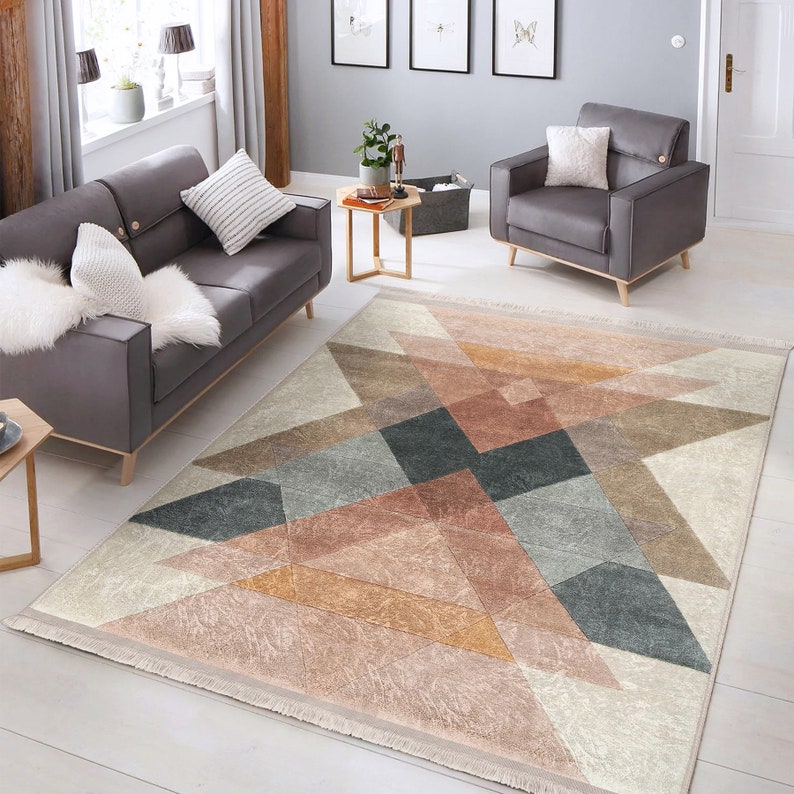
How to Choose the Perfect Rug for Every Room: Essential Factors to Consider
A rug isn’t just a simple decorative accessory—it’s a foundational piece that sets the tone, defines spaces, and adds warmth and comfort to your home. Choosing the perfect rug for each room is a vital step in creating a cohesive and personalized interior design. But with countless options available in terms of style, size, material, and color, finding the right one can feel overwhelming. In this comprehensive guide, you’ll learn which factors to consider when selecting the perfect rug for every room and how to turn your space into a beautifully coordinated haven.
Understanding Room Functionality
The first step in choosing a rug is understanding the function and traffic patterns of the room in question. Every room in your home has its own unique needs, and your rug should complement those needs.
High-Traffic Areas: Spaces like entryways, hallways, and living rooms typically see the most foot traffic. For these areas, opt for durable and easy-to-clean rugs that can withstand frequent use.
Low-Traffic Areas: Bedrooms and formal sitting rooms experience less activity. Here, you can focus more on comfort and luxurious textures.
Comfort and Practicality: In living rooms, a soft yet sturdy rug creates an inviting feel and can handle the comings and goings of daily life. In bedrooms, a plush rug gives a cozy, underfoot sensation as you get in and out of bed.
Dining Rooms: Choose a rug that accommodates both the table and chairs, allowing all furniture to stay on the rug even when chairs are pulled out.
By tailoring your rug selection to a room’s function, you ensure both aesthetic balance and practical longevity.
Determining the Right Rug Size and Shape
Size and shape are just as critical as pattern and texture. The wrong size can disrupt the flow and harmony of your space.
General Rules for Rug Sizing:
Living Room: The rug should be large enough to accommodate the front legs of all major furniture pieces, anchoring the seating area together. Alternatively, all furniture legs can rest on the rug for a more unified look.
Bedroom: Place the rug under the bed, extending out on either side for a soft landing each morning. Alternatively, use runners on each side of the bed.
Dining Room: The rug should extend at least 24 inches beyond the table to accommodate pulled-out chairs.
Hallways and Entryways: Runners work well by guiding the eye and creating a welcoming path.
Shapes: Rectangular rugs are the most versatile. Round rugs add charm and can soften angular spaces. Square rugs suit square rooms or under square tables.
Planning Tools: Use painter’s tape to outline the desired rug size on the floor. This helps visualize proportions before you buy.
Always choose a rug size that enhances the layout, unifies the furniture, and leaves enough border of bare floor to “frame” the space.
Selecting Appropriate Rug Material
Material impacts durability, feel, and ease of maintenance. The best rug material for your room depends on usage, occupants, and lifestyle.
Wool: Naturally resilient, soft, and durable. Great for high-traffic areas, living rooms, and bedrooms. Wool rugs are easy to clean and retain their shape for years.
Cotton: Lightweight and inexpensive. Perfect for casual settings, kitchens, or as accent pieces. Machine-washable options are available, but cotton may wear faster.
Synthetic Fibers (Polypropylene, Nylon, Polyester): Exceptionally stain-resistant and affordable. Ideal for busy family rooms, kids’ spaces, or outdoor rugs.
Natural Fibers (Jute, Sisal, Seagrass): Earthy textures that suit coastal or rustic designs. Use in living rooms or sunrooms. Some natural fibers are rougher and may not be best for comfort.
Silk or Viscose: Luxurious sheen and softness, typically for lower-traffic, formal areas.
Think about who uses the room: For families with kids or pets, focus on stain resistance and durability. For master suites or formal spaces, indulge in plush pile or delicate weaves.
Choosing the Ideal Color and Pattern
The right rug color and pattern can make or break your room’s design scheme. Use these tips to narrow your choices:
Work With Existing Décor: If your furniture and walls are neutral, opt for a rug with bold colors or an eye-catching pattern to energize the room. For already vibrant spaces, choose a more subdued or solid rug for balance.
Create a Focal Point: Use a patterned or vividly colored rug as a statement piece in minimalist rooms.
Unify Elements: Select a rug featuring colors found elsewhere in the room for a cohesive look.
Mix Patterns Thoughtfully: If your upholstery or curtains are patterned, choose a rug with a complementary (but not matching) design. Pair small patterns with large ones and vice versa.
Consider Lifestyle: Darker colors and busy patterns camouflaging stains and pet hair suit family homes.
Your rug can either command attention or quietly ground your space—choose its color and pattern to match your goals.
Considering Rug Pile Height and Maintenance Needs
Pile height refers to the thickness of the rug fibers. Your choice affects both appearance and upkeep.
Low Pile (flatweaves and short loops): Easier to clean, ideal for high-traffic areas, dining rooms, and households with pets or allergies.
Medium Pile: Offers a good balance of softness, comfort, and manageable maintenance. Great for living rooms and bedrooms.
High Pile (shag rugs): Incredibly plush and luxurious, perfect for bedrooms and cozy corners. However, they require more maintenance and can trap dust and allergens.
Maintenance: Synthetic and flatweave rugs are easiest to clean and resilient to stains. Consider indoor-outdoor rugs for mudrooms or homes with little ones.
Underlayments: Whatever pile you choose, always add a quality rug pad underneath to keep your rug in place, extend its life, and protect your flooring.
Accounting for pile and cleaning demands ensures your rug stays beautiful and functional for years.
Setting a Realistic Budget
Rugs are available at nearly every price point, from affordable machine-made varieties to investment-worthy handwoven pieces. Establish your budget based on these factors:
Room Importance: Allocate a larger budget for statement spaces like the living or dining room, where your rug sets the decor tone.
Material and Craftsmanship: Wool, silk, or hand-knotted rugs cost more but last longer. Machine-made or synthetic options are budget-friendly for trend-driven or low-traffic areas.
Size: Larger rugs naturally cost more. Remember to prioritize scale—a too-small cheap rug won’t do your room justice.
Where to Splurge or Save: Invest in quality for main living areas and choose affordable finds for kids’ rooms, entryways, or under heavy-use furniture.
There are gorgeous rugs at every price level—shop around, set priorities, and look for sales or secondhand treasures.
Conclusion: Pulling It All Together
Choosing the perfect rug for every room doesn’t have to be a challenge. By considering room functionality, appropriate size and shape, the best material, complementary color and pattern, practical pile height, and a reasonable budget, you can find rugs that enhance your home’s style and meet your household’s needs. Whether you’re looking for a bold statement piece or a subtle, grounding base, the right rug brings warmth, unity, and beauty to your living space.
Make your rug selections thoughtfully, and your rooms will reward you with comfort, elegance, and lasting delight—one step at a time.